
Assessment culture: looking forward or looking back?
by George MacBride
Today assessment is moving from looking back to looking forward, aligned with new thinking about learning, pedagogy and children’s rights. Instead of gathering evidence of attainment to judge against prescribed standards, assessment emphasises reflecting on evidence to evaluate each learner’s progression in learning, illuminate their learning processes and involve them in planning their further learning (cf. Bill Lucas (2021) (Rethinking assessment in education: The case for change).
Changing thinking, changing metaphors
Traditionally, learners climb up a ladder as quickly as they can – they may fall off. They follow a pre-determined route to reach prescribed standards, passing milestones – they may never get there. Railway lines switch them to tracks leading to different destinations. They may be summarily judged on limited evidence without appeal. They take part in races, sometimes with hurdles, in which winners are well-rewarded. They seek to cross a threshold into a favoured environment. All imply failure and exclusion. A new culture requires alternative metaphors. Scaffolding supports and offers learners different routes forward, horizontal and vertical. A roadmap to common goals provides space for different pathways and opportunities to explore, find alternative paths and retrace their steps. Milestones become stepping stones to support further learning. Evaluation of a range of evidence to support learning replaces summary judgement. Analysis of learners’ skills replaces stopwatches and tapes. (cf. Bramley, 2020)
Changing roles
Learners cease to passively accept others’ prescriptions and decisions (success criteria, selection of evidence). Learners share responsibility, engaging with others in gathering and reflecting on evidence of their progression in learning. Where formerly teachers or external authorities were alone authorised to initiate, carry out and record assessment of attainment, practitioners are now responsible for leading and supporting learners in selecting, evaluating and reflecting on evidence of progression. Teachers become learners, discovering more about progression, learning processes and learner motivation. How can practitioners and learners be supported to adopt new roles in an often tacit social contract when paradigms change radically?
Culture and rights aligned
These changes in roles and responsibilities, enhancing learner autonomy, agency and self-regulation, enshrine and realise the right of the child to express their views in all matters affecting them and have these afforded due weight (cf. Article 12.1, United Nations Convention on the Rights of the Child — UNCRC). Assessment policy in the past has tended to use ad hoc ways to address perceived inequality of opportunity. Changing the assessment paradigm supports designing learning which is inclusive and respects difference (cf. Universal Design for Learning (UDL)). Instead of prescribing one-size-fits-all tests (with adjustments ‘patched in’), individuals may follow different learning pathways, providing a variety of evidence of progression, to a common goal (cf. Gorin, 2012, 2014). How can practitioners be supported to plan learning activities which integrate curriculum, pedagogy and assessment and afford every learner coherent learning experience which recognise and respect individual differences?
Richer evidence, richer feedback
Bounded activities in a limited range of formats, distinct from learning activities, have often provided assessment evidence. Sharing responsibility with learners allows assessment to draw on a range of evidence in different formats, including evidence from activities beyond the classroom or the school. Assessment is integrated into the processes of learning and likely to be seen by learners as more authentic and meaningful (cf. Nisbet & Shaw, 2025, ch. 7). Feedback on learning has often been a one way street: the teacher or other authority judges attainment and gives the learner a grade with perhaps a summary phrase. Feedback in the new paradigm involves on-going dialogue between learner and teacher which allows shared consideration of evidence. How can we identify, share and use evidence generated by the learner’s activities in a range of contexts? Where, when and through what media can feedback be shared and discussed? How can learners be supported to engage in these processes?
Extending the curriculum
Assessment in a limited range of formats often focused on disciplinary knowledge. Employing a wider range of evidence facilitates assessment across a breadth of knowledge (disciplinary, interdisciplinary, procedural, epistemic), skills (disciplinary, transferable, transversal) and competences (cf. OECD 2030). While preparing learners for active engagement in changing societies, this supports the development of the child’s personality, talents and mental and physical abilities to their fullest potential (Article 29.1 UNCRC). Detailed statements of learning outcomes can lead to fragmentation of learning, preventing learners from perceiving underpinning ‘big ideas’. Integrating learning across boundaries and applying learning in new contexts can promote understanding of how ideas can be coherently organised into larger concepts. What competences are required to live with others in the ‘spirit of peace, dignity, tolerance, freedom, equality and solidarity’ (UNCRC Preamble)?
Our own understanding also adapts
Curricula which provide lists of detailed learning outcomes can unintentionally constrain our thinking. Reflecting on learner progression encourages recognition that our own knowledge is provisional and our skills open to improvement; we can recognise that our concepts are in some way social constructs and that new paradigms and domains will develop. How can practitioners’ feelings be respected and risks of perceived de-skilling be mitigated when concepts used daily are open to major revision?
And so … a final question
To what extent are these two approaches to assessment dichotomous and mutually incompatible? Or can we better employ them as reference points to support us in reflecting on and improving practice in our own contexts?
References
Bramley, T. (2020). Metaphors and the psychometric paradigm. Assessment in Education: Principles, Policy & Practice, 27(2), 178–191. https://doi.org/10.1080/0969594X.2020.1731421
Gorin, J. S. (2012). Assessment as evidential reasoning. White paper commissioned by The Gordon Commission on the Future of Educational Assessment. Princeton, New Jersey.
Gorin, J. S. (2014). Assessment as Evidential Reasoning, Teachers College Record, 116(11), 1-26, pp.1-26. https://doi.org/10.1177/016146811411601101.
Nisbet, I. & Shaw, S. (2025). Is assessment fair? London: SAGE
About the Author
George MacBride
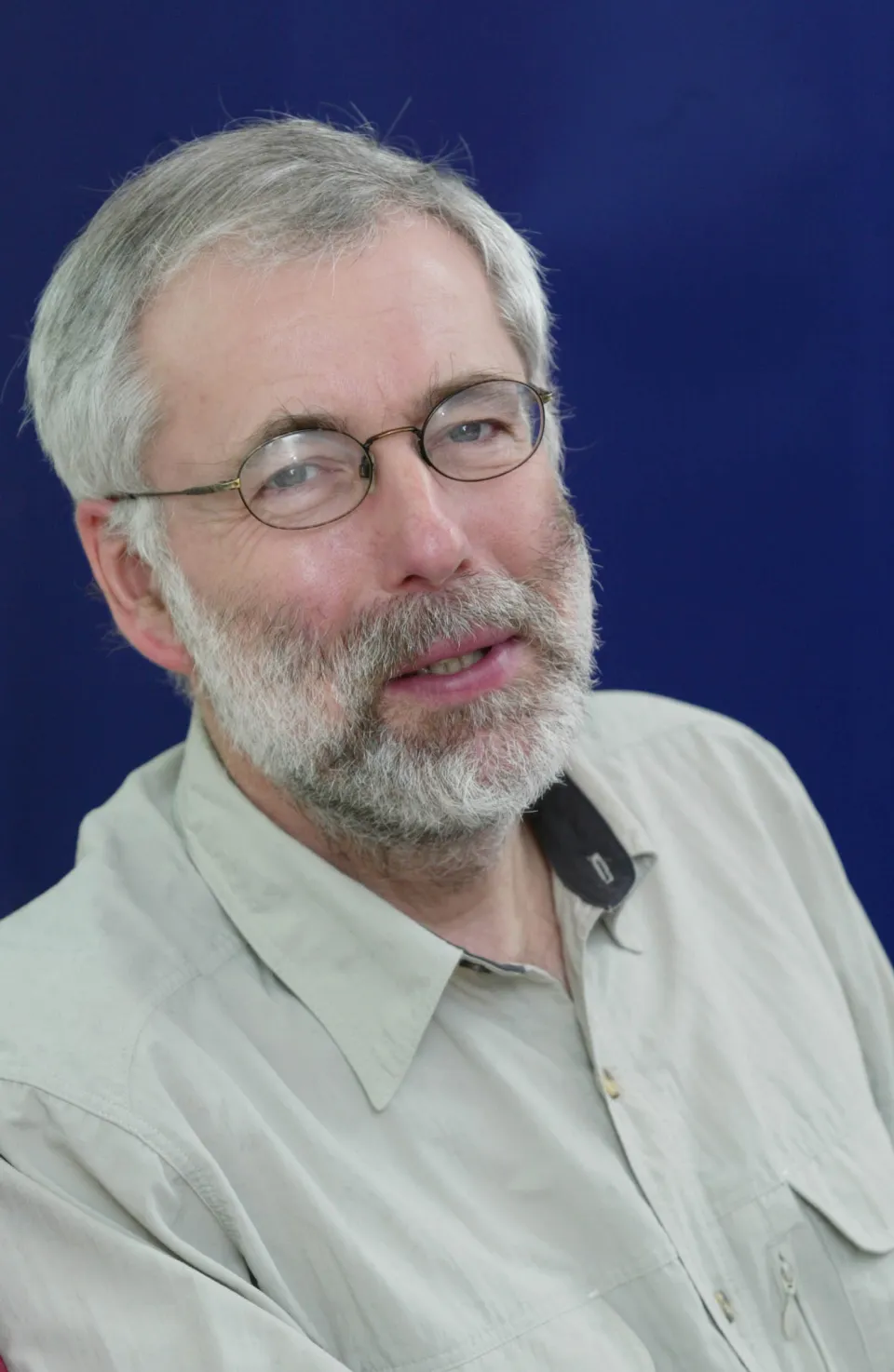
George MacBride taught in Glasgow secondary schools for 37 years, retiring in 2006. As a leading member of his professional association (EIS) he actively participated in the development of the curriculum and assessment in Scotland through membership of government working groups and of councils and committees of national curriculum and assessment agencies. This work included the reform of school qualifications, the development of classroom assessment and several roles in the development of Curriculum for Excellence. Following retirement, he worked part-time in the University of Glasgow School of Education, where he was later appointed Honorary Senior Research Fellow. During this period, he contributed to nationally and internationally funded curriculum and assessment projects, finally contributing in several roles to the development of Curriculum for Wales and related suites of teacher professional learning materials. In retirement George also carried out commissions for the Scottish Government and its curriculum and assessment agency.