
Title
“Building holistic systems for educational improvement: From curriculum to pedagogy to assessment principles"
Thursday, 16 April, 2026
13:00 (CET), 12:00 (UK)
We warmly invite you to join us on 16 April 2026, 12:00 AM UK Time, for a special webinar dedicated to discussing the HASIG Position Paper and the future direction of the SIG. The session will begin with a brief reflection on the origins and development of the Holistic Assessment SIG within Association for Educational Assessment – Europe.
We will then provide a concise overview of the Holistic Assessment SIG Position Paper, highlighting its key messages and guiding principles. Following this, we will take a closer look at the interconnections between curriculum, pedagogy, and assessment, exploring how a holistic perspective can meaningfully shape educational practice and policy. Finally, our new Steering Committee members will share their reflections on how the ideas presented in the paper can be further developed and translated into future SIG activities. This will open the floor for discussion with participants.
About the SIG
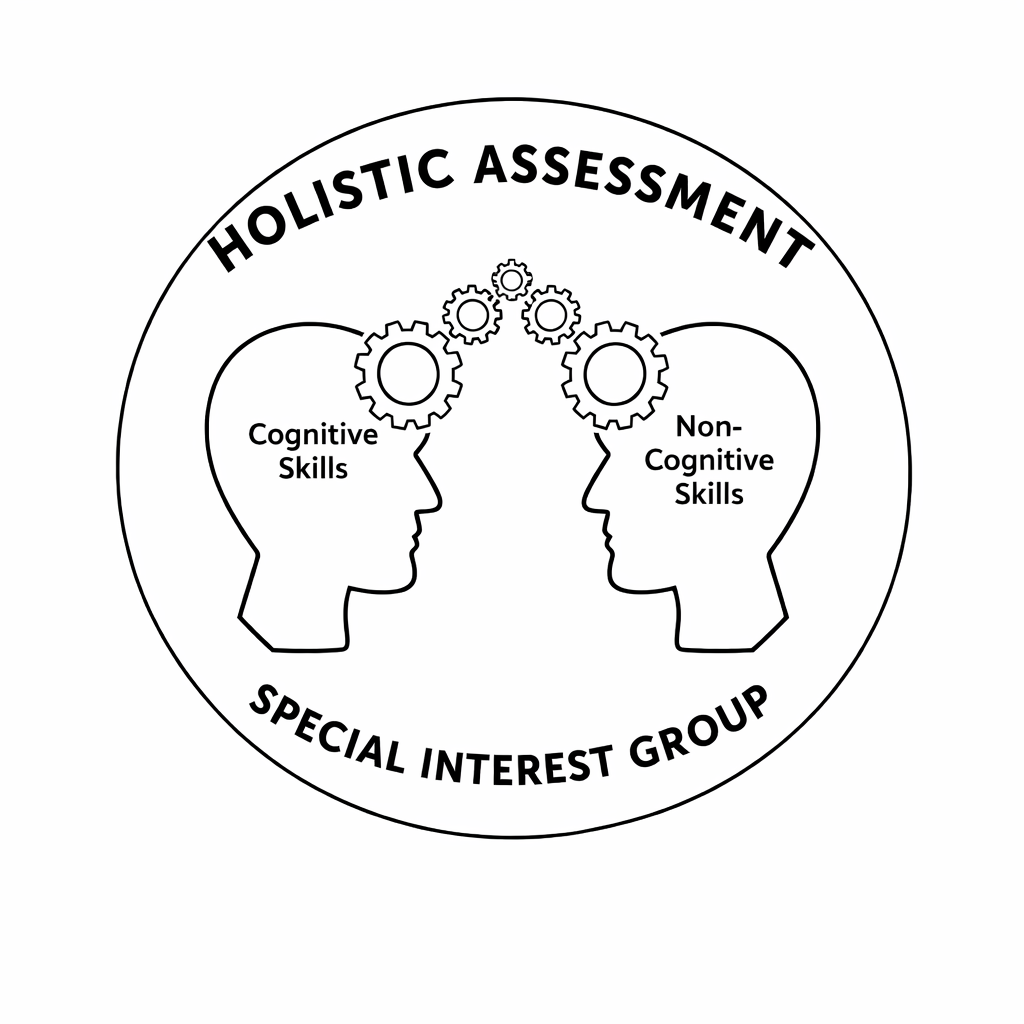
Holistic Assessment SIG
To succeed in the modern society, including in the workplace, young people need to complete their education with more than the academic knowledge, skills and understanding assessed in traditional school subjects. They need a broad range of 21st-century competencies coupled with other personal attributes such as solid ethical values, positive learning dispositions, and high levels of personal wellbeing.
This is the concept of holistic education, which has a deep-rooted history in several European pedagogical philosophies. Both cognitive skills (such as problem-solving, critical thinking, and creativity) and so-called ‘non-cognitive’ skills (such as communication, collaboration, and perseverance) are important. Assessing personal competencies and attributes accurately, and understanding how they interact to affect educational outcomes and life chances, are significant challenges in the assessment field. Despite its importance, however, holistic assessment is still an under-researched area. This SIG aims to study theories and practices for assessing cognitive and non-cognitive skills and attributes, and provide recommendations for effective assessment tools.